

Summer Storytelling Fun

Summer Storytelling Fun

Things to do with your children, friends, or grandchildren …

… spend the summer gathering Family Stories of all kinds!

I bet you are a storyteller and you did not even know it. Every day you share with someone something that happened to you, that is telling a story. From my creative tips I hope  that you have a comfort level knowing you can tell a story, so now let’s build on it … Writing a quality sentence is like putting a puzzle together. You know the basics, noun and verb. But if you want to paint a picture for the reader you need to include various parts of speech. Hence puzzle pieces!

Why?

In my humble opinion knowing your family history gives you a solid foundation of who you are and builds a stronger family relationship.
Supplies

  1. A way to record or video with sound
  2. Select where you will store your recordings
  3. A box – decorate it and place items, pictures etc that your family member gives you.

Extra bonus If you want make a family scrapbook with the pictures, letters, as well as any other treasures you collected.

Storytelling Topics for the summer time

In this assignment two things will happen?

Part One: you are the detective learning about the topic, therefore the person being questioned is the storyteller. You are learning the art of listening!

Part Two: In order to be a good storyteller you have to acquire the knowledge in order to share and tell a story.

Have fun!

Part One – Detective Work

Arrange a time to record several people in your family. Some suggestions for this month. (Of course once you get the hang of it, I bet you will come up some of your own ideas for questions to ask your loved ones.)

  1. ASK your mom and dad to tell you about the day you were born.
    1. How did they feel when they saw you?
    2. How big or little were you?
    3. How long did you stay in the hospital?
    4. What day of the week and what time?
    5. If you have a baby book check it out!
  2. RECORD your mom telling about the day she was born or ask your grandparents if they live in the same town or Skype them if possible.
    Do the same for your dad.
  3. RECORD your parents telling you the family line, How far back to they know their grandparents, great grandparents and who knows they might even know the names of your great grandparents. Find out any information you can. Have fun locating where they were born on a map.

Part Two – You become the Storyteller

TAKE the information you have acquired and put together several stories.
Record yourself for fun telling the family stories.

Suggestion: You could introduce yourself as a family history reporter and with each story introduce yourself your ‘Show’.

Example: Good evening everyone and welcome to my Family history channel. Today my story is _______

  1. The day I was born
  2. The day my mom was born
  3. The day my dad was born
  4. My family line — mom’s side
  5. My family line — dad’s side

You know have 5 shows!

Congrats you are a Family History Storyteller!

Have a fun time in June. Can’t wait to hear the stories.


ADDED BONUS

Make a scrapbook of your family history, Pictures, names etc. write the story in the scrapbook for safe keeping. Now you have a Scrapbook and a video.

Stay tuned for the Summer fun for July!
Creative Writing Tips

Creative Writing Tips

My  DFB Creative Writing Tool Box!

Communication is Power!”™

  1. Words
  2. Parts of Speech
  3. Punctuation Marks

Writing a quality sentence is like putting a puzzle together. You know the basics, noun and verb. But if you want to paint a picture for the reader you need to include various parts of speech. Hence puzzle pieces!

Nouns | VerbsAdjectivesAdverbs | PrepositionsArticles

Give Power to the Verb

Examples:

The angry man screamed.

The angry man screamed with all his might.

The old schoolhouse on the hilltop is haunted.

Creative Writing – Inspiration

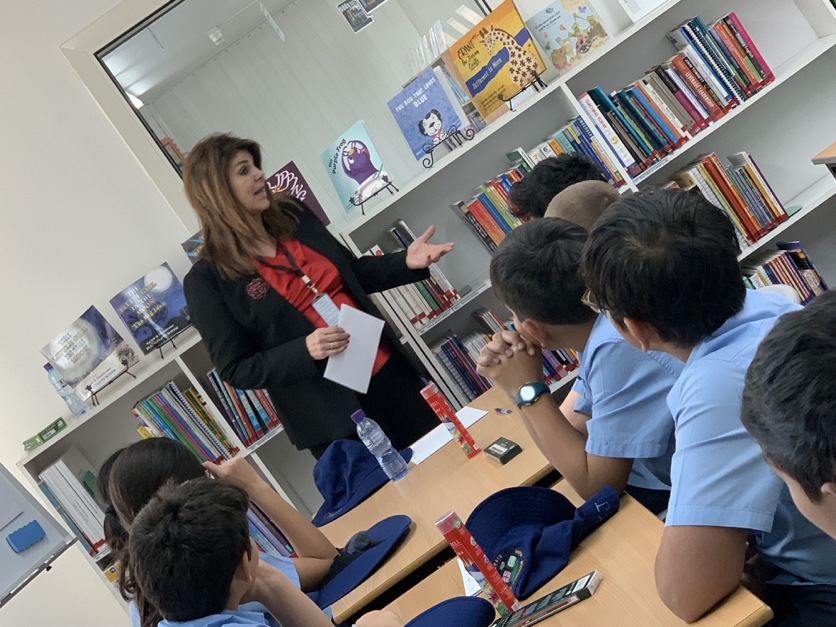
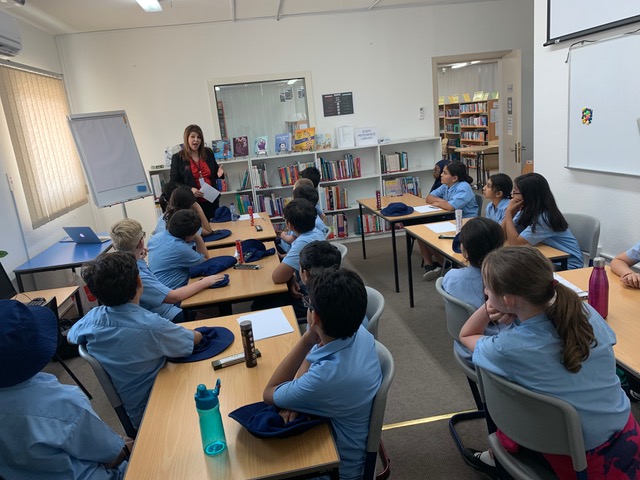
It takes all styles of books to inspire writing. Maybe poems, inspirational words, fun books about colors and of course the moon. In my creative writing class at the British School in Saudi Arabia I enjoyed sharing not just my Little Girl in the Moon Series but several other books also;

No matter what your age. Remember children’s books are for adults too!

You can schedule to have me visit your school too so get in touch. Until next time …

Memorizing Sight Words

Memorizing Sight Words

Reading

Last month we discussed reading to your children. This month I thought I would share ideas on sight words. What is a sight word?

Sight words are also referred to as high-frequency words and it means they are words that do not follow the phonics rules for pronunciation. They are some of the first words young children are encouraged to memorize to make learning reading and comprehension easier. The most popular list among educators is the Dolch List.

How can you help your child memorize sight words?

In the classroom, I would place a word on a card shaped according to the theme for the month. During the center reading time, the students would take turns at their reading center time to learn to read each card. 

Basically, these are flash cards with a twist. I turned it into a game for the children. Before I knew it, they were ready for more words, and they were reading with success.

For my own kids, I took word strips, but you could use large index cards.  Write the word and cut the word out according to its shape. Practice the word with your child and then  paste the word on their bathroom mirror, bedroom bulletin board or a location that would involve them to see the word often. If you color code the word then they learn the part of speech at the same time. Exmaple:  adjectives could be yelllow, verbs could be orange and nouns could be green.

Developing Reading Skills

Developing Reading Skills

Well, I never thought I would be entering this part of social media but here I am with my own blog, of which to start with I’m focusing on ideas about developing reading skills at home and at school. Enjoy …

Reading

Let’s start with what is most important … reading to your child. My children are all grown now, but I have fond memories of reading or hearing my husband to read the children, which taught them that reading can be fun and to value time set aside for reading.

Also, did you know that reading out loud has a great impact in teaching a child to understand the rythm of sentences, sentence structure and vocabulary, much more so than if the child is left alone with the book.

Tip One

It is important to set a regular time aside for reading or making up stories together.

When? Whatever time works best with your schedule. For our family bedtime was always the easiest.

Why?

  • You are more relaxed and ready to enjoy the time with your kids. The kids are more relaxed.
  • A habit of reading at bedtime will result in unexpected moments when your child opens up to talk about the day,
  • or any worries and – what is super fun — all the observations she or he will make that will surprise and delight you.
  • You will never regret that time, as child rearing goes so quickly and one day you will long for just five minutes to go back to that precious reading time together and their innocent questions. Enjoy the moment.

Tip Two

I highly recommend a bookshelf in each of your children’s room.

Why?

  • It teaches them to enjoy the ownership of books and going back and rereading a book they enjoyed whenever they like.
  • If space is limited, of course, you could develop the family library and section off shelves for each child. Whatever works for your family.

Pin It on Pinterest